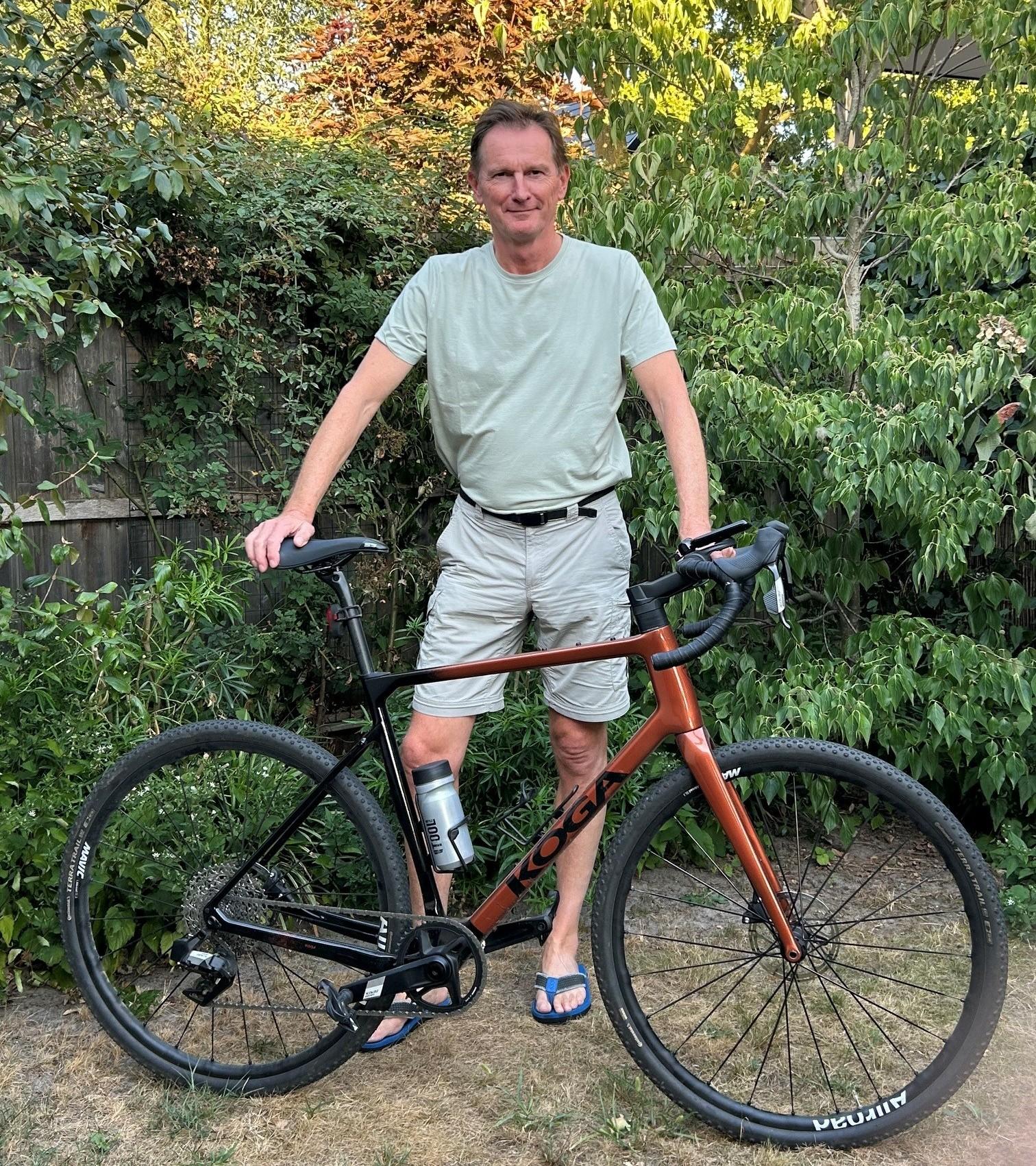
Eric van Deijck has been with Mars for nearly forty years. He started in Veghel as an engineer, worked on major projects in various roles and countries, and returned to the Netherlands in 2019. In his free time, he enjoys riding his bike or motorcycle, but he also covers quite a few miles at the pension fund. After four years as secretary of the Accountability Council, he is now, on the eve of the transition, making the move to the board.
Could you briefly introduce yourself?
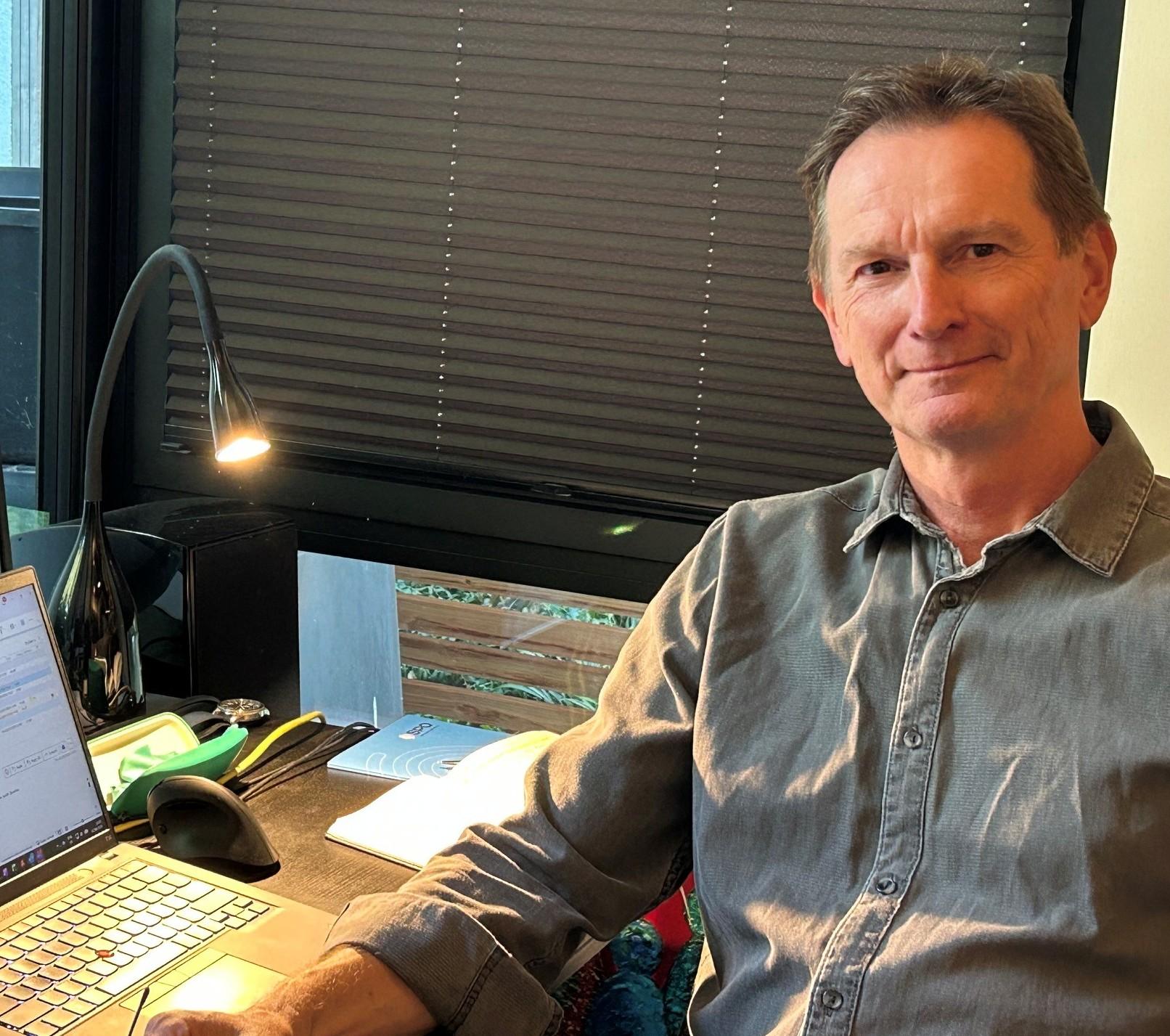
I’ve been working at Mars for a very long time, almost forty years now. That’s really a significant part of my life. I started in Veghel. I worked in engineering there for a long time and also spent some time in production. I spent two years on the production floor as a shift manager. The idea behind that was that, as an engineer, you really learn to understand the operation better. You can design all kinds of things, but it’s also important to see how something works in practice, how people interact with it, and how our products are actually made. From Veghel, I gradually started working on an increasingly international scale.
In 2013, I was given the opportunity to build a new factory in India. That was quite a step outside my comfort zone, but it was the kind of opportunity you only get once in a lifetime. After that, I went to North America for three years to support major projects. In 2019, I returned to the Netherlands. After six years abroad, my wife and I felt we’d had enough. We wanted to settle back in the Netherlands.
How did you get involved with the pension fund?
I had been interested in our pension fund and how it all works for quite some time. It is, of course, very different from supply and engineering, and that is exactly why I found it interesting. I wanted to learn more about it and also make a contribution. After returning from the U.S., I signed up for the Talent Pool. I then took a course at SPO to build a basic understanding of pensions. After that, I started participating in the meetings of the Accountability Council.
We did some really good work there, especially regarding the Future Pensions Act (Wtp). For the Accountability Council, that was a very different project from the regular topics it normally addresses. I was able to brainstorm and discuss things extensively with the chair and learned a great deal.
What does it mean to you to be a board member now?
In my role as a board member, I see it as my responsibility to represent all members of the pension fund. Officially, I sit on the board on behalf of the active members, but I believe I represent all members. Of course, you have a specific constituency, but as a board member, you consider all members when making every decision.
From my time on the Accountability Council, I was used to taking a very critical look at balance in all decisions. I will certainly continue to do that. I think it is very important that all member groups are treated equally and that we ensure everyone is as well taken care of as possible.
You are an engineer by training. Can you draw on that experience in your new role and in such a major transition process?
Absolutely. I’ve always been an engineer and a techie. The pension transition is actually quite similar to any major engineering project. You have objectives, agreements, milestones, a budget, a timeline, and responsibilities. It’s a large and complex project, but it does meet all the criteria of project-based work. Naturally, I have a great deal of experience with that.
What do you hope to achieve for the members through the pension transition?
I hope that the proposed transition plan and implementation plan can be carried out as planned and intended. We have a solid plan that the board, together with various external parties, has worked incredibly hard on. I would love it if De Nederlandsche Bank approves it and we can actually carry it out as planned. I’ will be satisfied if I can make an active contribution to that: by participating in discussions, asking questions, and making suggestions.
And what contribution can members make themselves?
An important contribution members can make right now is helping to improve our communication and services. A questionnaire on this topic will be sent out to all members shortly. I’d like to urge everyone to carefully review the questionnaire, fill it out, and return it. We are constantly working to improve our communication with members. We can only do that if we know what members find important, what issues are on their minds, and what questions they still have.
How much longer will we have to wait before we understand the personal effects of the transition?
For Mars Pension Fund, things will not really become clear until the end of next year. That is when members will actually see specific amounts and receive an explanation of what the change means for them personally. For members who are nearing retirement or considering phasing out their contributions, this can create uncertainty. That’s why we are paying extra attention to this group through initiatives like the Pension In Sight meetings.
Finally, is there anything else you’d like to share with your associates?
You hear all sorts of things in the media and elsewhere. That’s why members need to be able to turn to their pension fund for accurate information. I encourage people to ask questions about their pensions. If there’s something you don’t know or don’t understand, don’t let your imagination run wild, just ask: “How does that actually work?” There’s plenty of information and help available. If you’re concerned about something you’ve heard, check our website, talk to a Frontrunner, or ask the pension fund. We’re happy to help. Don’t hesitate to reach out to me if you have a question. You have my email address!